
Many leaders reach a point in their careers where growth feels stagnant. The promotions, accolades, and initial challenges that once drove motivation may no longer provide the same sense of purpose. This plateau can be disorienting, but it’s also a powerful opportunity. Leaders who recognize this stage as a turning point can redirect their experience, skills, and influence to create a lasting impact.
Understanding the Plateau
A career plateau doesn’t mean failure; it signals a moment to reflect and reassess. Leaders often encounter this phase when:
- They feel their current role no longer challenges them.
- Advancement opportunities seem limited or unclear.
- Their work feels routine, with less personal fulfillment or visible impact.
Recognizing the plateau is the first step to transformation. Instead of forcing career acceleration, leaders can focus on strategic growth areas: influence, mentorship, and legacy building.
The Power of Mentorship
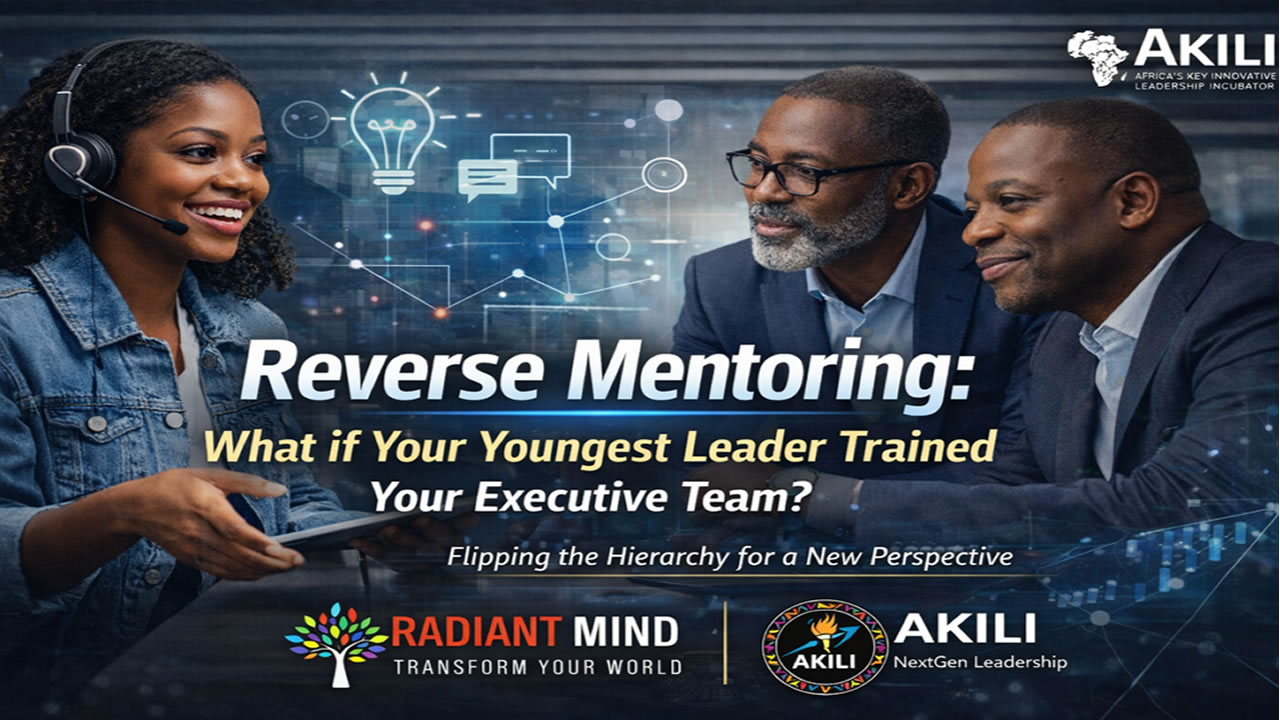
Mentoring others is a key strategy for breaking through the plateau. By guiding emerging talent, you:
- Expand your influence within the organization.
- Strengthen your team’s capabilities, creating a multiplier effect for greater impact.
- Gain fresh perspectives that reignite your own growth and motivation.
Effective mentorship involves intentional listening, sharing experience without imposing, and creating safe spaces for learning. Leaders who embrace this practice not only help others succeed they also rediscover their own purpose and passion for leadership.
Designing Your Leadership Legacy
A legacy is more than tangible achievements, it is the lasting imprint of your influence and values. Designing a meaningful leadership legacy requires:
- Clarifying Core Values: Identify the principles that define your leadership style and inform your decision-making.
- Setting long-term goals: Consider the organizational and cultural changes you want to inspire.
- Building structures for continuity: Establish mentorship programs, knowledge-sharing practices, and team development systems that endure beyond your tenure.
Legacy-focused leadership shifts the mindset from personal achievement to collective impact. Leaders who adopt this approach create environments where innovation, growth, and resilience flourish.
Practical Steps to Move Forward
- Reflect on Achievements and Gaps: Conduct a personal audit to understand where your strengths lie and where there’s room to grow.
- Engage in Mentorship: Commit to guiding at least one emerging leader and track progress over time.
- Document Your Principles: Write down your leadership values and principles to guide decisions consistently.
- Share Knowledge Actively: Conduct workshops, host discussions, or create learning materials that embed your insights into the organization’s culture.
- Measure Impact Beyond Metrics: Evaluate success not only through KPIs but also by the growth and success of those you mentor.